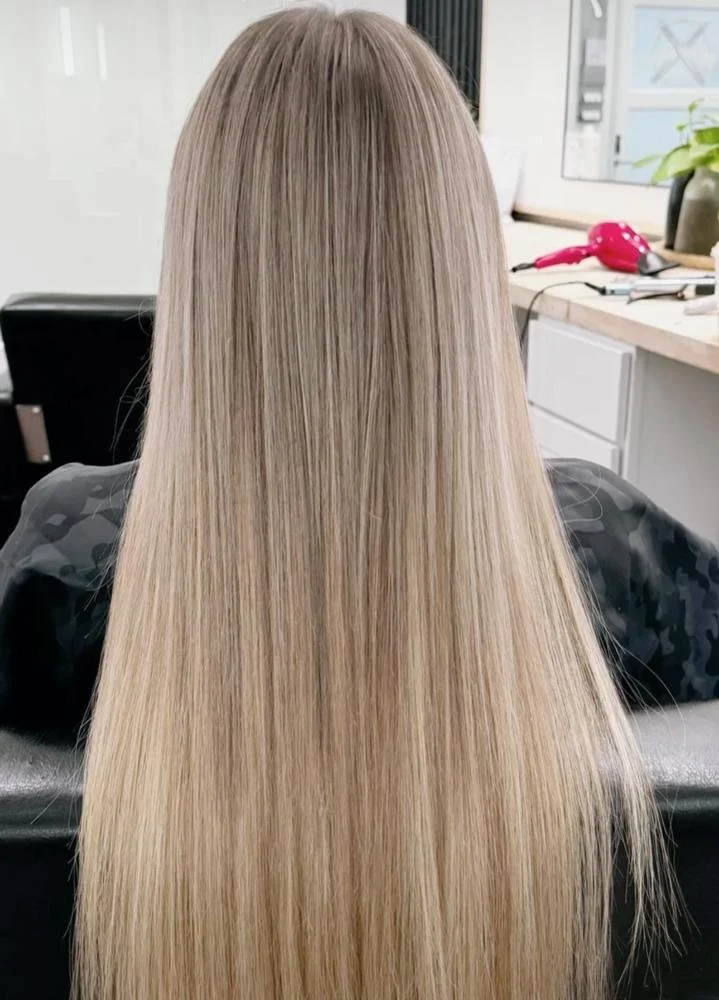
Hand-Tied Extensions in North Phoenix
Hand-tied weft extensions add length, fullness, or both, without glue, heat, or tape. Michael Joseph has spent 20 years behind the chair and has worked with more than 20,000 clients. He also teaches the hand-tied technique to other stylists. His studio is in Norterra, at 2480 W Happy Valley Rd in North Phoenix.
This page covers how hand-tied extensions work, what your first visit looks like, how to care for them in the Arizona climate, and answers to the questions clients ask most.
What Hand-Tied Extensions Are
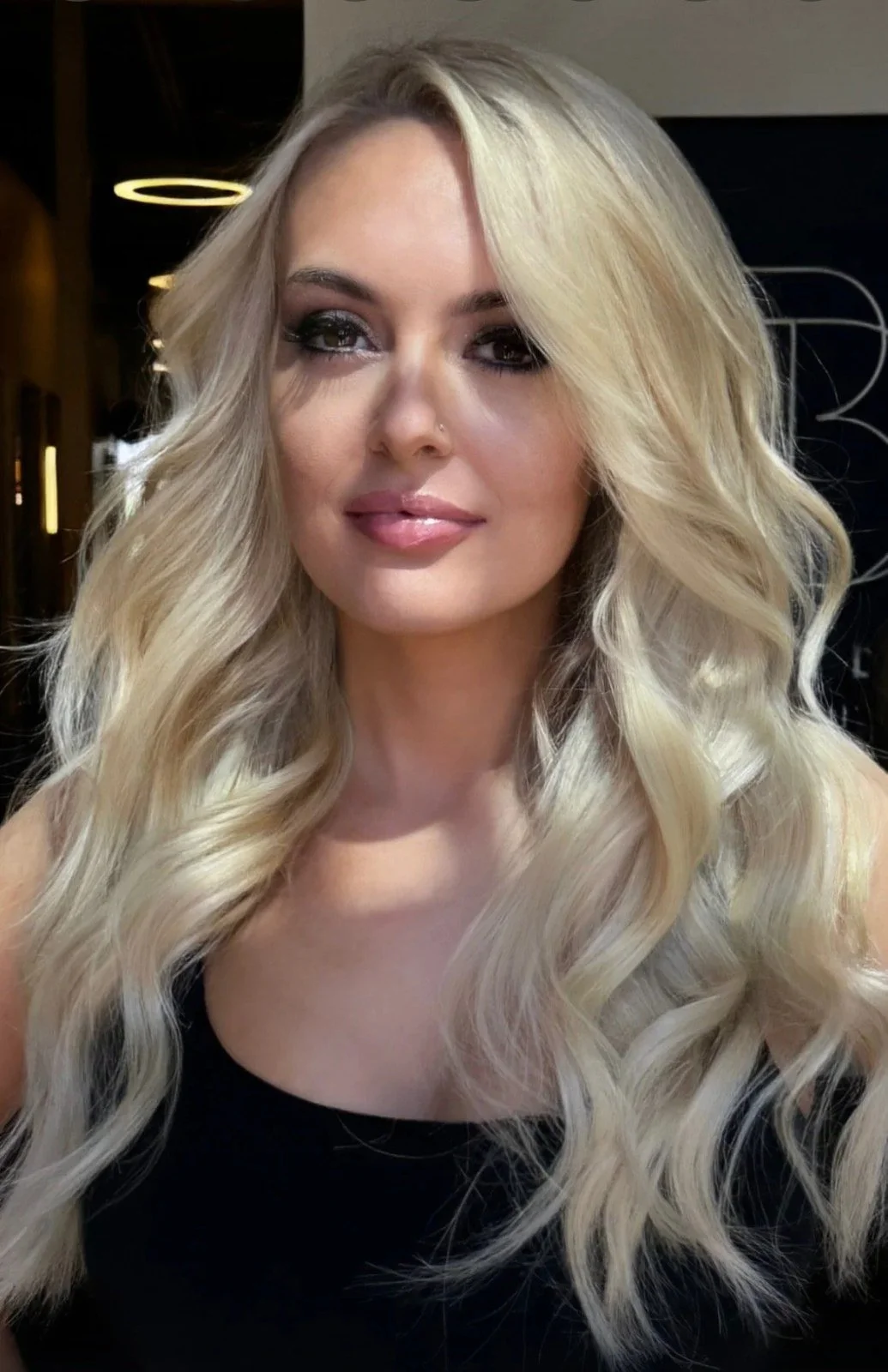
Hand-tied extensions are made from thin wefts of hair that are sewn by hand at the top seam, not cut and sealed by machine. Because the seam is so fine, a hand-tied weft lies flat and moves with your own hair.
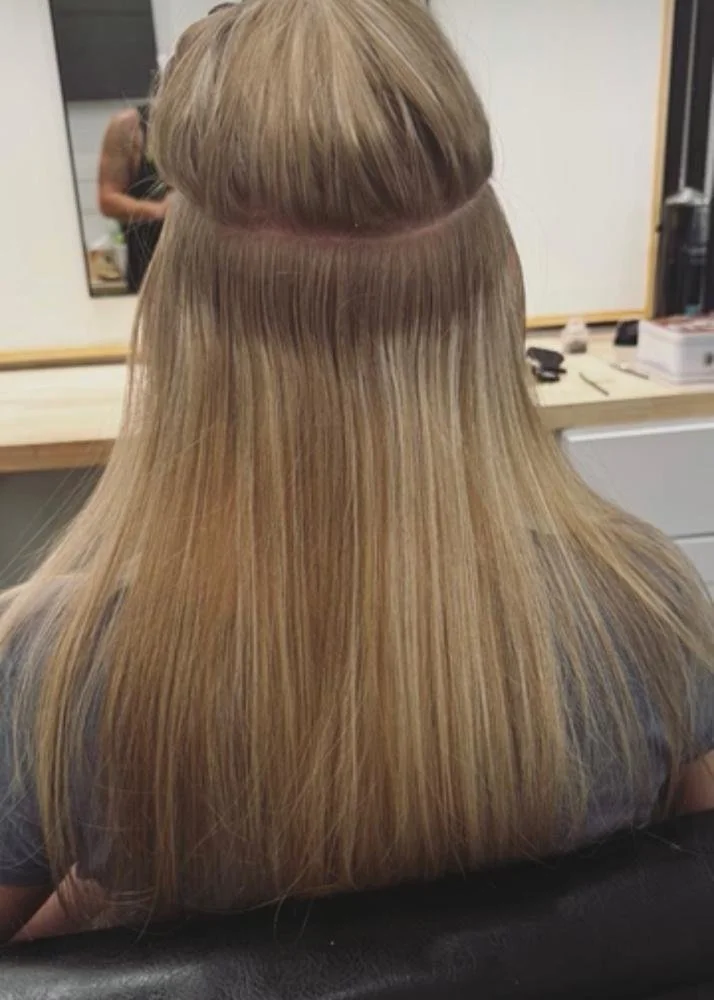
To install them, a row of small beads is placed along a narrow section of your natural hair to form a base. The wefts are then sewn to that base with thread. No adhesive, no heat tools, no chemical bonds. The weight is spread evenly across the row instead of sitting on a few individual strands, which is a big reason this method is a good fit for many hair types.
Wefts can be stacked in one or more rows depending on how much volume and length you want. The result is meant to be invisible when your hair is down, and comfortable when it is up.
Who Hand-Tied Extensions Are For
Hand-tied extensions are a good fit if you want:
More length than your natural hair can grow comfortably
More fullness through the mid-lengths and ends
A seamless blend with lived-in or dimensional color
An option that does not use glue, tape, or heat bonding
They are not right for everyone. Very fine or fragile hair, a sensitive scalp, or significant shedding may call for a different plan or a lighter install. That is what the consultation is for. If extensions are not the right call for your hair, Michael will tell you.
The Consultation
Every extension client starts with a consultation. It is where Michael looks at your hair density, texture, current color, and your daily routine, and where you talk through the look you want.
During the consultation, you will cover:
Your goals. Length, volume, or both, and how natural you want the finished look to be.
Hair health. Whether your natural hair can comfortably support a row, and how many rows make sense.
Color. Whether your extensions can be matched to your current color, or whether your color should be refreshed first.
Maintenance. How often you will come back for move-ups, and what home care looks like.
Cost. Pricing is consultation-based, because the amount of hair, number of rows, and any color work change the total.
You will leave knowing exactly what your install involves before anything is ordered.
Color-Matching: Why a Blonde Specialist Matters
Most extension problems people notice are color problems. A weft that is a shade too warm, too solid, or too dark against lived-in blonde is easy to spot, especially in bright Arizona sunlight.
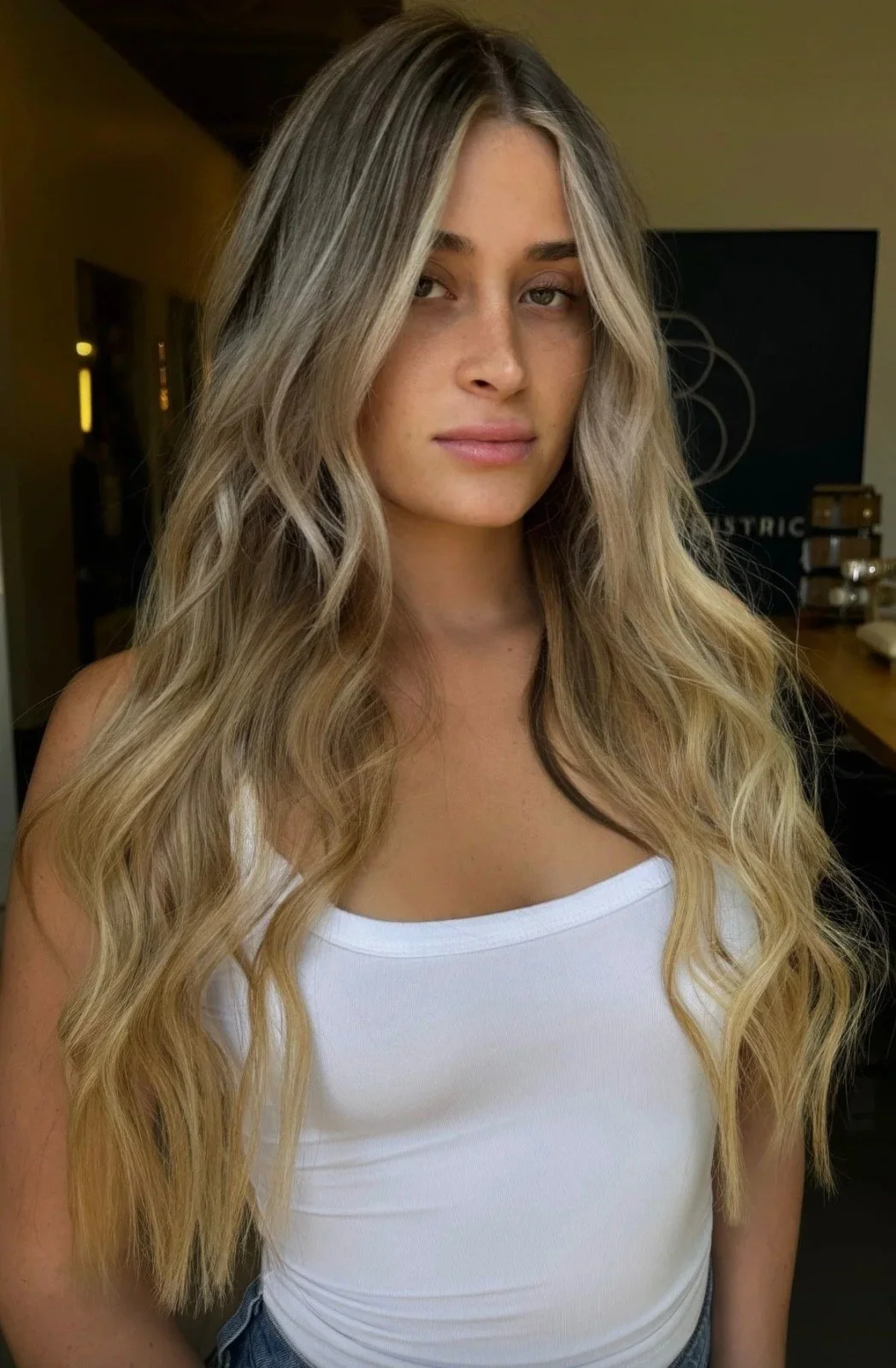
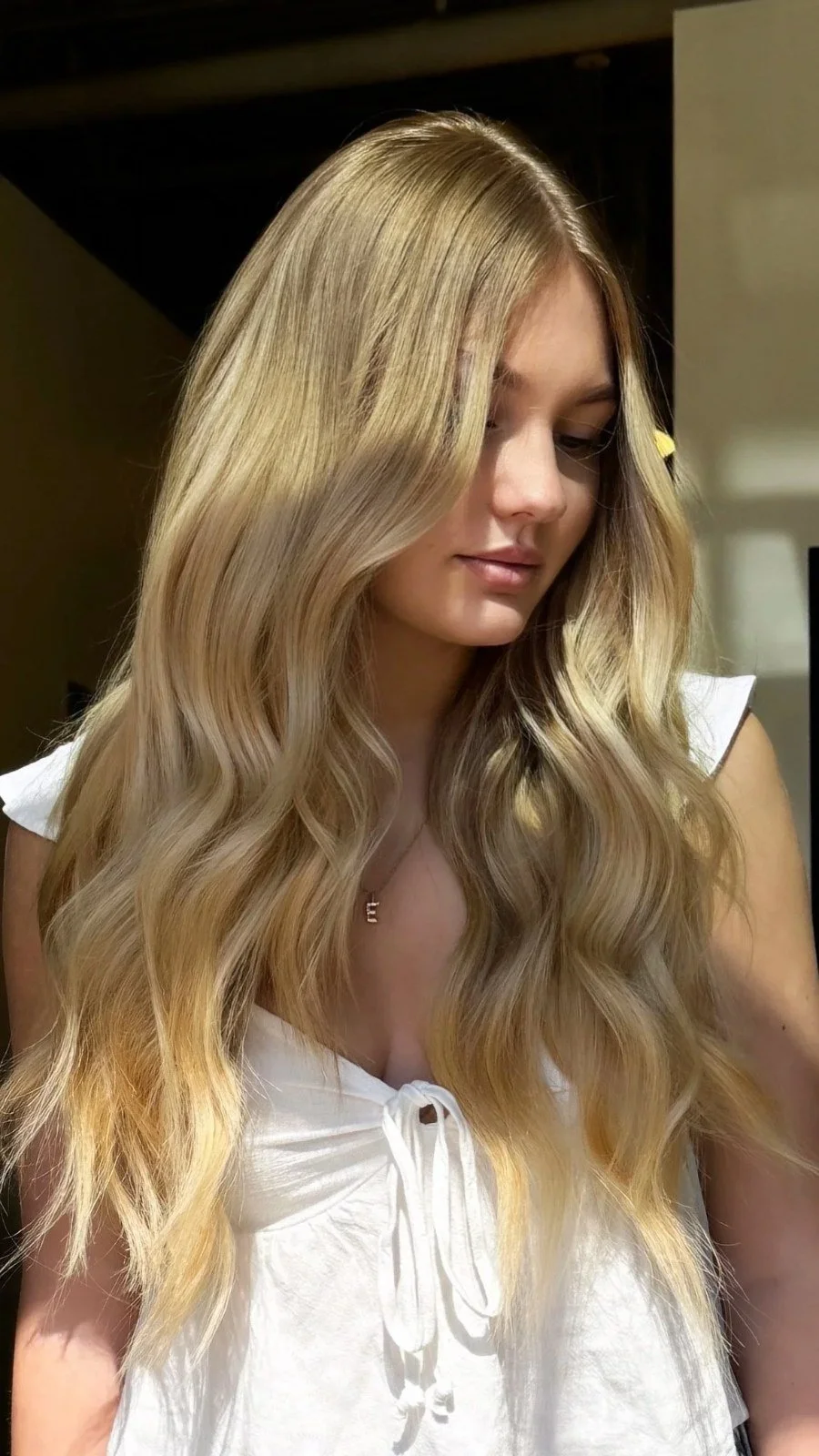
Michael's other specialty is blonding. That changes how he approaches extensions. Instead of picking one shade from a ring, he looks at the way your natural color moves from root to ends, where your brightness sits, and how your tone shifts in daylight. Then he blends wefts so the extensions follow the same dimension as your own hair.
When your color and your extensions both need attention, they can be done together in one chair, so the blend is planned from the start. Learn more about blonde and extensions together, or see Michael's approach to blonde color in North Phoenix.
Install Day
On install day, your hair is prepped, sectioned, and measured for row placement. Michael places each row of beads, sews the wefts in, and then cuts and blends the extensions into your natural hair so the ends look soft and real, not blunt.
Plan for a longer appointment than a typical color service. The exact time depends on the number of rows and whether color is part of the visit. You will get timing during your consultation.
Before you leave, you will go over how to wash, brush, and sleep with your new hair, and you will schedule your first move-up.
Move-Ups and Maintenance Schedule
As your natural hair grows, the row of beads moves down with it. A move-up brings the row back up to the right position near the scalp.
Move-ups: typically every 6 to 8 weeks, depending on how fast your hair grows.
What happens: the wefts are removed, your natural hair is washed and cared for, the beads are reset higher, and the same wefts are sewn back in.
Hair lifespan: with good care, quality wefts can often be reused across several move-ups. How long they last depends on your routine, heat styling, and sun exposure.
Removals: when you are ready to take a break, wefts and beads are removed carefully so your natural hair is not stressed.
Keeping your move-up schedule is the single biggest factor in comfort and in protecting your natural hair.
Caring for Extensions in Arizona Heat, Sun, and Hard Water
North Phoenix is hard on hair. Extensions do not get nutrients from your scalp, so the care you give them at home matters even more.
Sun. Strong UV can dry out and fade extension hair, especially lighter blondes. Wear a hat on long days outside and use a leave-in product with UV protection.
Heat. High summer temperatures and hot car interiors add up. Keep hot tools on a moderate setting and always use heat protectant.
Hard water. Much of the Phoenix area has hard water. Mineral buildup can make blonde look dull or brassy and leave extensions feeling rough. A clarifying or chelating shampoo used as recommended, plus a shower filter, can help. Ask Michael which products fit your hair.
Pools. Chlorine and minerals are drying. Wet your hair with clean water and apply a leave-in before swimming, wear your hair up, and rinse right after.
Daily care. Brush gently from the ends up with an extension-safe brush. Do not sleep with wet hair. Wear a loose braid or low ponytail at night.
Hand-Tied vs Tape-In vs K-Tip
There is no single best extension method. Each one fits a different kind of client.
Hand-tied wefts are sewn to a beaded row. No glue or heat. They lie flat, spread weight across the row, and are reused at move-ups. They work well for clients who want natural movement and a long-term routine.
Tape-ins are thin wefts attached with adhesive tape on either side of a small section. They can be fast to install, but they rely on adhesive and are typically re-taped at each maintenance visit.
K-tips (keratin bonds) are small individual strands bonded to your hair with heat. They allow a lot of placement freedom, but they use heat for application and take longer to remove.
Michael focuses on hand-tied weft extensions. If another method would serve your hair better, he will say so.
Why Clients Choose Michael
20 years behind the chair and more than 20,000 clients.
Teaches the hand-tied technique to other stylists, so the method is something he practices and explains every day.
Blonde and extensions in one chair, so color and blending are planned together.
One stylist, start to finish. The person who consults with you is the person who installs, blends, and maintains your extensions.
Hand-Tied Extensions FAQ
How much do hand-tied extensions cost?
Pricing is consultation-based. The total depends on how much hair you need, the number of rows, whether hair is purchased for your install, and whether color is part of the visit. You will get a clear quote after your consultation.
Do hand-tied extensions damage your hair?
When the rows are placed correctly, the right amount of hair is used, and move-ups happen on schedule, hand-tied extensions are designed to be gentle on natural hair. Problems usually come from too much weight, skipped maintenance, or rough brushing.
How long do hand-tied extensions last?
Move-ups are typically every 6 to 8 weeks. With good care, the wefts themselves can often be reused through several move-ups before they need to be replaced. Sun, heat styling, and hard water all affect how long the hair lasts.
How many rows will I need?
It depends on your density and goals. Many clients wear one or two rows. Clients with thicker hair or a bigger length change may need more. Michael will recommend a row count at your consultation.
Can I color my extensions?
Extension hair is processed before it reaches you, so lightening it further is not recommended. Toning and glossing can be done carefully. The better approach is to match the wefts to your color from the start, which is why color-matching happens at your consultation.
Can I swim with hand-tied extensions?
Yes, with care. Wet your hair with clean water first, apply a leave-in, wear your hair up, and rinse thoroughly afterward. Chlorine and salt water are drying, so limit long soaks.
Can I wear my hair up?
Yes. Because the rows are placed with your natural hairline in mind, most clients can wear ponytails and half-up styles. Michael will show you which styles hide your rows best.
What should I expect at my first visit?
Your first visit is a consultation. Michael will look at your hair, talk through your goals, check your color, and explain the install, maintenance, and cost. If extensions are a good fit, you will plan your install date from there.
How should I prepare for install day?
Arrive with clean, dry hair unless you are told otherwise. Skip heavy oils and styling products. If color is part of your visit, Michael will let you know ahead of time.
Do you do removals and move-ups for extensions installed elsewhere?
Text to ask. Michael will want to see the current install before booking a move-up or removal.
Serving North Phoenix
Michael Joseph Hair is in Norterra, at 2480 W Happy Valley Rd, Phoenix, AZ 85085. Clients come from across North Phoenix, including Norterra, Happy Valley, Anthem, Deer Valley, and Sonoran Foothills.
Hours are Thursday through Sunday, 8am to 8pm. Closed Monday through Wednesday.
Book Your Extension Consultation
There is no online booking. Text Michael to set up your consultation.
See all services, read about blonde color, or learn more about Michael.